
Why 3D visualization before construction pays off
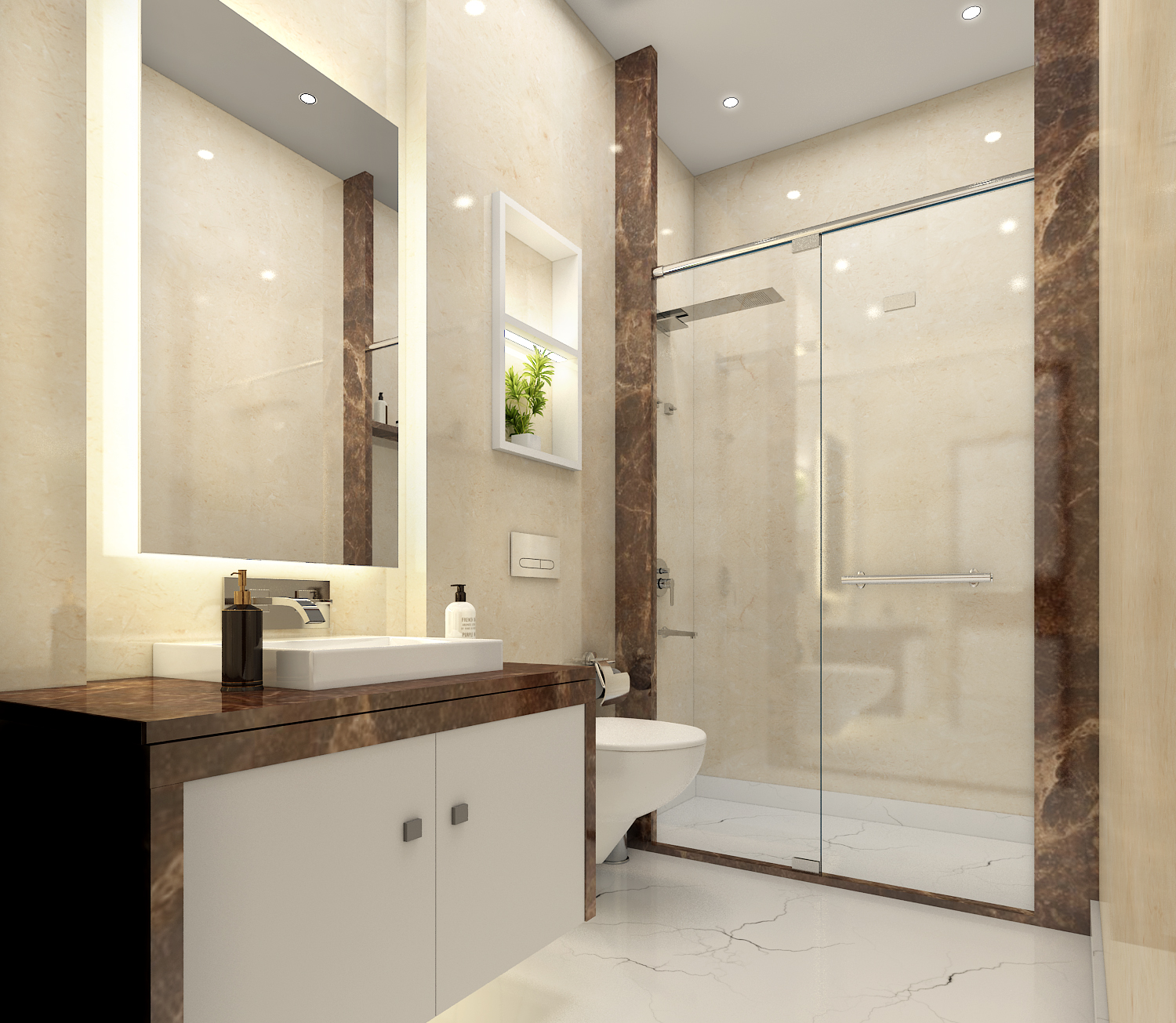
Floor plans and elevations are essential, but many people do not read them the same way designers do. Photorealistic 3D visualization closes that gap: you see proportion, shadow, and material relationships before a single partition is built. The investment is front-loaded, but it often prevents expensive changes after civil and services are fixed.
Fewer mid-site surprises
When a ceiling drops or a bulkhead appears only on site, clients understandably ask for revisions under pressure. Renders tied to accurate dimensions let you “walk” the space virtually—spotting tight clearances, awkward corners, or overcrowded walls while changes are still lines on a screen.
Clearer decisions, faster sign-off
Choosing between two stones or two paint families is faster when you compare them in context, not as isolated chips. Lighting intent can also be discussed with electricians early: where recessed fixtures sit, where profiles need to be continuous, and where feature lights need structural backing.
We treat 3D as a communication tool, not a sales gimmick. If you are planning a commercial fit-out or a full-home interior, ask us about visualization milestones aligned to your drawing package.