
Restaurant interiors: flow, durability, and light
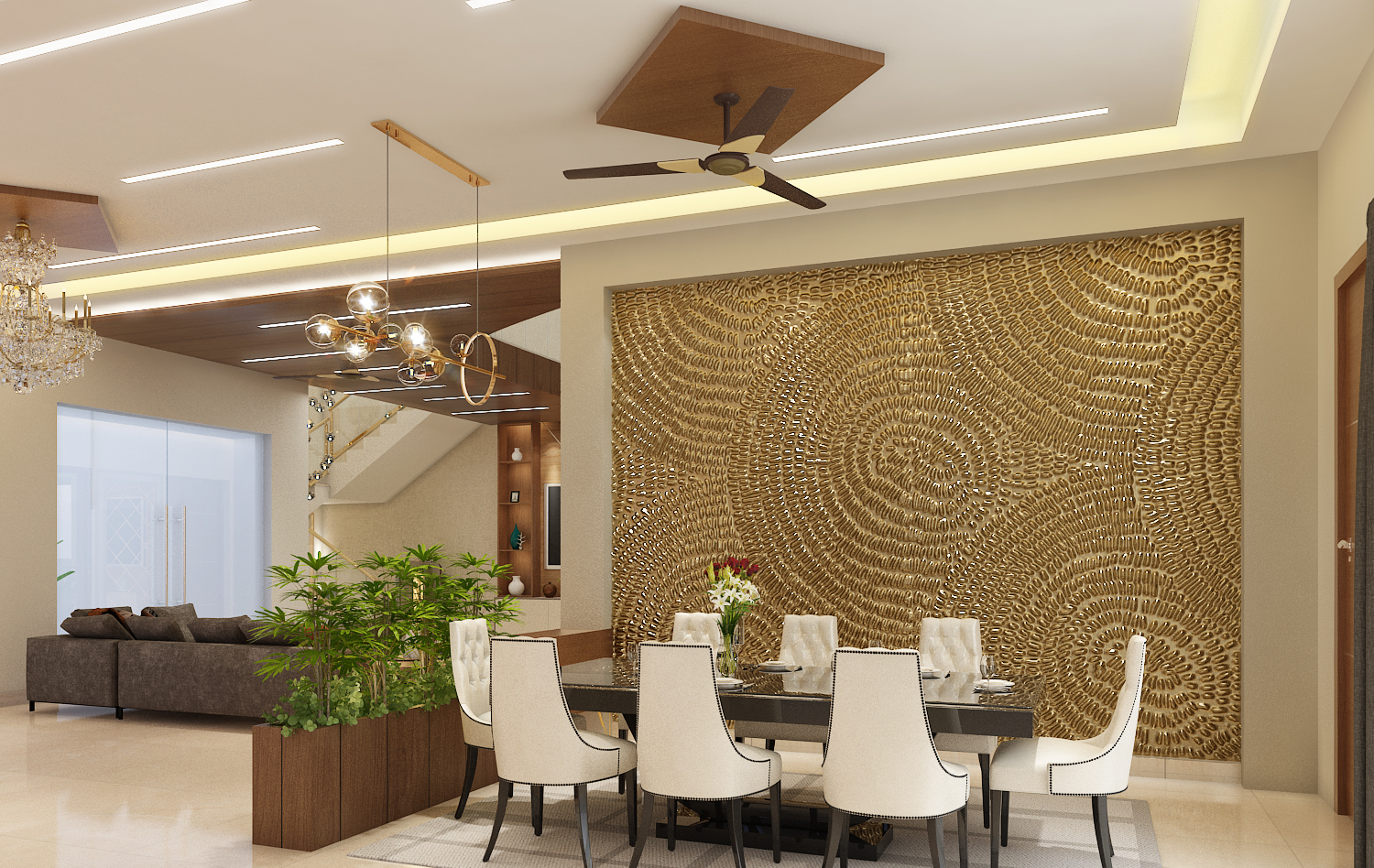
A dining room at home is about family rhythm; a restaurant is about throughput, safety, and repeat visits. Guests notice the vibe first, but operations live or die on how staff move, how spills are handled, and how acoustic and lighting choices support both conversation and kitchen standards. We design front-of-house with back-of-house constraints on the table from day one.
Flow that staff can sustain
Narrow aisles look intimate until service peaks hit. We map clear paths for servers and bussing, sight lines to the pass, and waiting zones that do not block emergency exits or the bar. Fixed seating can maximize covers, but loose furniture offers flexibility for events—your mix should match how you actually trade.
Finishes that survive real shifts
Floors near kitchens and washrooms need graded slip resistance and grout strategies that cleaning teams can maintain. Upholstery should meet commercial fire ratings where required. Feature walls are fine; we avoid placing delicate textures where trays and elbows collide daily.
Light for plates and people
Over-table light should render food appetizing—often warm CCT with enough CRI that colours read true. Ambient scenes for evening service differ from lunch; we plan dimming zones and aim to reduce glare on phones and faces. If you are opening or refurbishing an F&B space, share your brief and service style—we will align layout, MEP coordination, and finishes to match.