
Materials and light: building atmosphere
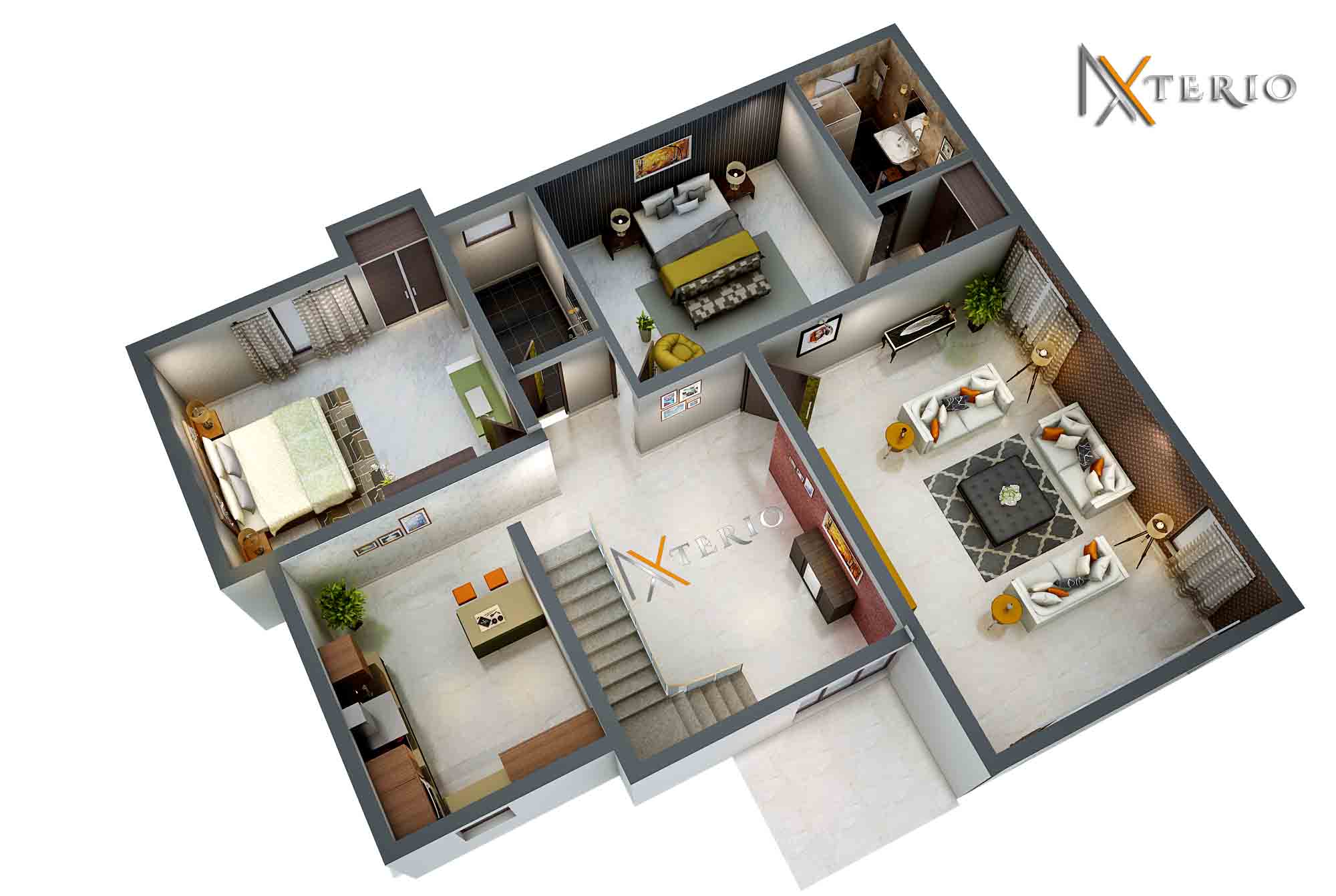
Finishes and lighting are often chosen from small samples under showroom spotlights. At home, the same palette behaves differently: daylight shifts across seasons, and artificial light reveals texture—or hides it. Designing atmosphere means pairing materials with the light they will actually live under.
Reflectance and contrast
Matte surfaces absorb light and feel quieter; gloss and metal bounce it and can energize a wall. Problems arise when every surface is equally reflective or equally flat: the room reads as one note. We balance a calm base—paint, plaster, or wood—with one or two deliberate highlights, such as a stone border, a metal frame, or a glass partition, so the eye has places to rest and places to linger.
Layering light, not only brightness
Ambient light sets the overall level; task light supports cooking, reading, or work; accent light sculpts objects and art. Dimmers are not optional when you want a dining area to feel different at breakfast and at dinner. Colour temperature matters too: cooler whites can feel crisp in kitchens and offices; warmer tones suit bedrooms and lounges. Mixing temperatures in one view without a transition can feel unintentional, so we plan circuits and scenes early.
If you are shortlisting tiles, paint, or veneer, test them under the bulb type you will use on site—not only under daylight near a window. For a coordinated scheme with lighting and materials, talk to our team before you place bulk orders.